
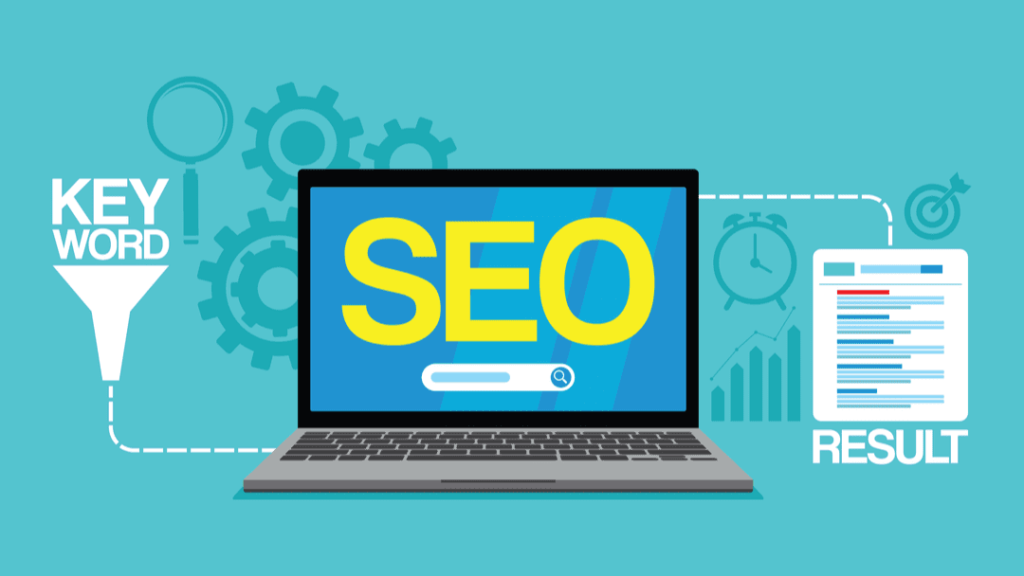
On-Page SEO Tips for Higher Rankings
Gaining higher rankings in the constantly changing field of search engine optimization (SEO) requires mastery of on-page tactics. Search engine optimization is much more than just using keywords; it’s also about making the user experience engaging and educational. Here are some crucial on-page SEO pointers to help your website become more visible and move up the search engine results pages. Perform Detailed Research on Keywords Conduct thorough keyword research before beginning any on-page SEO efforts. Choose high-traffic keywords that are pertinent to your content. Find the terms that people who are interested in your business are searching for by using tools like as SEMrush or Google Keyword Planner. Enhance Title Tag Performance Create attention-grabbing, keyword-filled title tags for every page. One essential on-page SEO component that provides visitors and search engines with a quick insight into your content. Keep it concise, relevant, and engaging. Make Original Meta Descriptions For every page, create a distinct and captivating meta description. Although meta descriptions don’t directly affect rankings, they are extremely important for promoting click-throughs. To improve the possibility that people will visit your website, make them interesting and educational. Header Tags (H1, H2, H3) Should Be Used Use header tags to organize your material, improve readability, and let search engines know which sections are important. The primary topic should be represented by the H1 tag, with pertinent H2 and H3 tags for subheadings following. Improve the URL Structure Create brief, informative URLs that are optimized for search engines and contain the relevant keywords. In addition to enhancing user experience, a well-structured URL structure aids search engines in deciphering the hierarchy of material. Enhance Pictures with Alt Text Not only may images improve the content’s visual appeal, but they also offer a chance for optimization. Add pertinent keywords to the alt text of each image to make it more descriptive. This helps with SEO in addition to accessibility. Ensure Mobile-Friendliness Google gives preference to websites that are mobile-friendly due to the growing usage of mobile devices. Make sure your website works well on a variety of devices and is responsive. Because of Google’s mobile-first indexing, this factor is very important for rankings. Improve Page Loading Speed A crucial ranking component is user experience, and page loading speed has an immediate effect on it. To guarantee that your pages load quickly, make use of content delivery networks (CDNs), browser caching, and image optimization. Google favors websites that load quickly. Craft High-Quality, Informative Content The king of SEO is content. Create excellent, educational, and captivating content that meets user needs. Aim for relevancy and depth, and organically include your target keywords. Implement Internal Linking Strategies Link relevant pages on your website together using purposeful internal linking. This facilitates not only navigation but also the understanding of relationships between various pieces of material by search engines. Update Content Frequently By upgrading your information frequently, you can keep it current and relevant. Updated material is preferred by search engines, so regularly reviewing and improving your current content lets them know that your website is being updated. Utilize Integration of Social Media Social signals influence SEO indirectly even if they are not a direct ranking element. Incorporate social network sharing buttons and promote sharing to extend the audience for your material and possibly boost its search engine visibility. Implement Schema Markup Use schema markup to improve the way search engines interpret your material. The more context this structured data offers, the more likely it is that rich snippets will show up in search results. Monitor and Analyze Performance Utilize resources like as Google Analytics and Google Search Console to track the effectiveness of your website. Monitor important indicators, pinpoint areas in need of development, and modify your on-page SEO approach as necessary. Make User Experience (UX) a priority. User experience is ultimately the foundation of on-page SEO. To keep visitors interested, give priority to a user-friendly design, simple navigation, and insightful content. Better rankings and less bounce rates are correlated with a satisfying customer experience. In Conclusion, Gaining better ranks in search engine results requires mastering on-page SEO. By putting these suggestions into practice, you will improve the visibility of your website and design a user-friendly experience that complies with the constantly changing algorithms of the main search engines. To remain competitive in the ever-evolving field of digital marketing, you must continuously modify and improve your on-page SEO tactics.
On-Page SEO Tips for Higher Rankings Read More »