
Design

Elevate Design

Elevate Design Through Training

The importance of design is greater than ever in a world where innovation drives development. Nonetheless, the abilities and expertise of individuals who created the design have a significant impact on its efficacy. Elevate design by thorough training is a strategic necessity, not just an expenditure. The Importance of Design Training Nurturing Creativity Design education focuses on fostering creativity rather than just technical mastery. Impactful design is based on creative thinking, thus training programs should emphasize developing and mastering this crucial ability. Staying Current with Trends The world of design is dynamic, with trends changing quickly. By keeping designers abreast of the newest tools, technologies, and design philosophies, training guarantees that their work is both inventive and current. Building a Foundation in Design Principles Understanding Fundamentals A strong foundation in design principles is provided by training. Gaining a basic understanding of design principles is essential for producing visually appealing and functional designs, ranging from color theory to typography. Applying User-Centric Design Effective design is centered around the needs and preferences of the user. In order to make sure that designs are resonant with the target audience, training programs should place a strong emphasis on understanding user needs, behaviors, and preferences. Specialized Training for Diverse Design Disciplines Graphic Design Specialized training in layout, composition, and visual narrative is beneficial for graphic designers. Proficiency in design applications and methodologies is crucial for producing visually captivating content. UI/UX Design Training in wireframing, prototyping, and usability testing is necessary for designers of user interfaces and user experiences (UX and UI, respectively). In these fields, comprehending the end-user’s journey is crucial. Training for Collaborative Design Environments Platforms and Tools for Collaboration In the linked world of today, collaborative work environments are common for designers. In order to promote efficient communication and teamwork, training should cover the usage of collaborative tools and platforms. Integrating Design into Cross-Functional Teams The field of design is not isolated. Training curricula ought to prepare designers for a smooth transition into interdisciplinary teams, where their knowledge adds to projects’ overall success. Continuous Learning and Professional Development Seminars & Workshops Designers gain from continuing workshops and seminars after completing their basic training. These chances make it easier to network with other experts and learn about fresh ideas and industry best practices. Certifications and Advanced Courses The skill set of a designer gains credibility from certifications and advanced training. These can include advanced classes in developing fields or credentials specialized to a given industry. The Impact of Design Training on Organizational Success Enhanced Innovation Designers with training are better able to push the creative envelope and produce novel ideas that distinguish companies in cutthroat markets. Improved Efficiency Efficiency is increased by training in the newest design tools and techniques. By streamlining processes, designers can shorten the time it takes for goods and services to reach market. Conclusion: Investing in Design Training Training is not an option in the dynamic field of design—rather, it is a must. Investing in extensive training programs will elevate design team, foster innovation, and help you remain ahead of market trends. The effect on individual designers and the success of the organization is incalculable.

Elevate Design Through Training Read More »

Design is Everything

Design is Everything Not a Department.

Within the dynamic realms of business and creativity, the concept of designs has become more expansive than its conventional definition. It is more than simply aesthetics; it’s a way of thinking, a philosophy, and a calculated strategy that affects everything from user experiences and brand perception to goods and services. So, Design is Everything. The Evolution of Design Thinking Breaking Down Silos Contemporary establishments acknowledge the potency of multidisciplinary cooperation. Designs thinking fosters a holistic approach by dismantling divisions and permeating marketing, operations, and even customer support. User-Centricity Across the Board Design and user comprehension go hand in hand. It’s a mindset that everyone embraces rather than being the sole purview of a design team. Every function in the company, from customer service agents to engineers writing code, helps to create experiences and products that are designed with the end user in mind. Design in Product Development Beyond Visual Appeal Aesthetics is still important, but designs plays a much bigger role in product development. It entails resolving user pain spots, designing fluid interactions, and intuitive interfaces. Solutions that connect with users more deeply are produced when design thinking is incorporated into the product development process. Iterative Prototyping Iteration is embraced by design thinking. It’s about constant improvement rather than getting things right the first time. Testing and prototyping become essential components of the development process, ensuring that products evolve in response to user feedback and changing market dynamics. Design in Marketing and Branding Building a Consistent Personality The language of branding is design. It influences all aspect of the brand experience, not just logos and color palettes. Every component works together to create a unified and enduring brand identity, from the style of marketing material to the layout of a website. Emotional  Connection Effective marketing aims to establish an emotional connection with the target audience in addition to promoting a product. Whether it be through interactive campaigns, storytelling, or images, design is essential to creating emotions. Organizational Culture and Design Cultivating Innovation An innovative culture is fostered via design thinking. It inspires staff members to think outside the box, come up with alternatives, and question the status quo. When design is viewed as a shared duty, innovation emerges a collective effort. Mindset for Solving Problems At its foundation, designs is the solution of problems. When a whole organization adopts this mentality, problems are tackled creatively and with a dedication to coming up with tasteful solutions. Embracing Design in Customer Experience Pre-Sale through Post-Sale Designs is the road map for the journey that is the consumer experience. Every touchpoint—from the initial exchange with a product or service to continuing assistance—offers a chance to improve the customer’s experience. Building Trust and Loyalty Trust is established through designs that puts the needs of the user, clarity, and simplicity first. Having a good experience at every turn encourages advocacy and loyalty from customers. In summary, Designs is the core of strategy in the twenty-first century; it is not a department. It’s a component that permeates every choice, every exchange, and every output. Embracing designs as an inclusive and holistic concept is not only a trend; it is a strategic necessity for firms that want to prosper in a competitive and dynamic environment. Prepare to rethink how you approach designs and see its revolutionary power throughout your company. Design is the cornerstone of everything you do; it’s not just something you see. Also read:-How to Design Effective Teams?

Design is Everything Not a Department. Read More »

Web Designer

What Does A Web Designer Do?

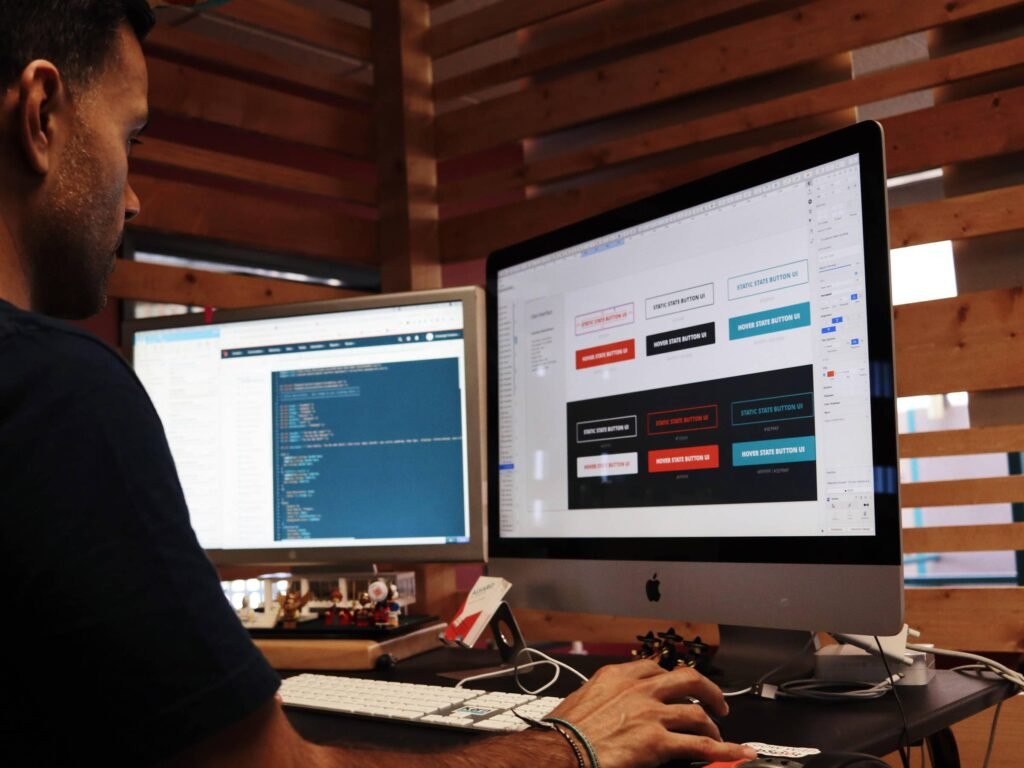
A web designer plays a crucial role in creating the online experiences we come across on a regular basis in the ever-expanding digital world. This essay explores the diverse field of web design, illuminating the duties, competencies, and creative process of this vibrant industry. Defining the Role A web designer is a specialist in making websites that are both aesthetically pleasing and easy to use. Their work covers every aspect of the user experience, from navigation to functionality, going beyond aesthetics. Web designers create digital environments that enthrall and connect with users by fusing technological know-how with creative flare. Key Responsibilities A web designer has a wide range of duties that include both artistic and technical elements. They choose color schemes, create images, plan the general layout, and guarantee the smooth integration of various elements. Additionally, web designers collaborate closely with web developers to bring their visual concepts to life. Skills Required Gaining expertise as a web designer requires a certain set of abilities. Gaining expertise in design software such as Adobe Creative Suite and coding languages like HTML and CSS is essential. A fundamental component that enables designers to innovate and produce aesthetically spectacular websites is creativity. Effective client and development team collaboration also requires strong communication skills. The Process of Creativity A web designer goes through numerous stages in the creative process. Understanding the needs of the customer and the intended audience is the first step. Designers then work on wireframes and prototypes to see how the layout and functionality will look. The choice of typeface, graphics, and color schemes that come next are all intended to provide a unified and eye-catching design. The User Experience and Responsive Design Responsive design is given top priority by web designers to make sure websites work well on a variety of devices. By streamlining navigation, speeding up load times, and designing user-friendly interfaces, they prioritize improving the user experience. Regardless of the technology they use, the objective is to give users a great and engaging experience. Tools of the Trade Many tools are used by web designers to implement their ideas. For designing layouts and prototypes, Adobe XD, Sketch, and Figma are well-liked; for putting designs online, Sublime Text is a useful coding tool. In order to provide cutting-edge solutions, web designers must stay current on the newest design trends and technological advancements. Challenges and Innovations Keeping up with changing design trends, managing client expectations, and striking a balance between utility and aesthetics are just a few of the difficulties faced by web designers. But these difficulties also spur creativity, encouraging designers to investigate novel methods and tools in order to produce unique and powerful digital experiences. Collaboration with Web Developers A website’s success depends on the cooperation of web developers and designers. Developers use code to make designs come to life, while designers concentrate on the aesthetic elements. A balanced combination of utility and aesthetics is ensured by effective communication and coordination between these two roles. In conclusion, the job of a web designer is varied and dynamic, needing a combination of artistic imagination and technical proficiency. The field of web design changes along with technology, offering new and interesting options. Web designers play a pivotal role in shaping the digital world, making their contribution indispensable in today’s tech-driven era.

What Does A Web Designer Do? Read More »